
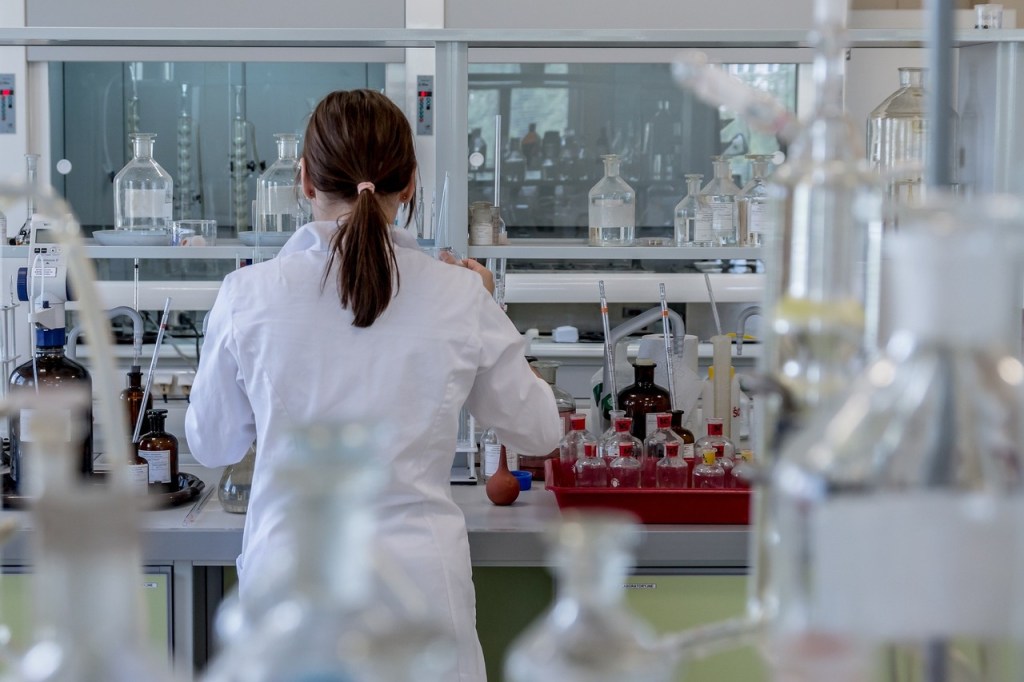
In 2026, sticking to the “best practice” in the lab is, more than ever, about going above and beyond SOP adherence. There are standards to update and data integrity to strengthen, all while attempting to shrink your environmental impact. Regulatory pressures continue to move on and new technology is becoming available, meaning it’s worth an annual review on whether the standards you’re adhering to are now a thing of the past.
Why 2026 is a pivot year for quality management
The rollout of ISO 15189:2022 for medical laboratories has been a big change in moving towards risk-based thinking, competence across sites including point-of-care, and stronger continual improvement processes. Many labs certainly already had some good QMS frameworks in place, the 2022 version called for more explicitly documented processes around the pre- and post-examination steps and governance of information. Clearer links between management review and operational results were now on the agenda.
Heading into 2026, labs should really try hard to:
- Map audit findings to the new clause structure
- Update internal training
- Update revision logs
- Make sure accreditation pathways are aligned
Here, not only will they help maintain compliance but put themselves in a position to respond a lot quicker to incident trends as they arise, or supplier variations, and even rising stakeholder expectations. The result is to have better traceability, efficient operations and a much stronger basis for external audits.
Data integrity and digital records: from ELN to unified LIMS stacks
In 2026, labs will be increasingly bringing together electronic laboratory notebooks (ELNs) and laboratory information management systems (LIMS) into a single unified metadata-driven stack. Why? Because it will mean having way fewer manual hand-offs and fewer transcription errors, not to mention the stronger audit trails.
Steady steps will likely include linking taking actions like sample IDs and method versions in LIMS to experiment notes in ELNs.
Governance is going to be at the core here, so access control must be standardised and ALCOA+ principles need to be introduced into governance.
- Validating e-signatures
- Logging role changes
- Automating archival and retention policies
Coming back to best practices, labs should conduct a gap analysis of their digital record landscape:
- Are sample rejects always being logged?
- Are out-of-spec events linked to their root cause records?
- Are method changes version-controlled?
A single source of truth is really what improves not only audit readiness, but somehow manages to achieve both downstream analytics and regulatory confidence in one brush.
Cold storage and refrigerants: Performance with a shrinking HFC budget
Environmental and regulatory pressures around refrigerants are coming thick and fast. The F‑Gas Regulation (EU) 2024/573 took effect in March 2024 and they’re tightening rules on:
- Fluorinated greenhouse gases (F-gases)
- Refrigerant quotas
- Import/export
- Leak detection
- End-of-life recovery
For labs that are looking to purchase or lease refrigeration in 2026, spec-checklists include:
- Refrigerant type and GWP
- Energy draw
- Uniformity calibration
- Remote monitoring and service logs
Choosing a laboratory refrigerator that meets these growing requirements is difficult, and so procurement must center around finding a reliable supplier, brand and safety certification. Temperature deviations should be no more than ±3°C, and by having smart IoT capabilities, the refrigerator can be monitored over the air (e.g., automated alerts if there is an issue, so response time to issues improves).
Automation and traceability you can prove
Many people think of robotics when considering automation, but it’s increasingly about end-to-end traceability. Barcode and RFID tagging, when paired with real-time inventory updates and expiry alerts, are now the baseline expectations.
And within this, we come back to cold-storage systems and the integration of temperature sensors, alarms, and data feeds into LIMS. For example, when a unit logs an excursion, automation triggers quarantine of the impacted lot and logs corrective actions. And when selecting equipment, temperature-mapping, remote-monitor and alarm integration features are what labs are beginning to assess.
By improving automation and traceability, labs can reduce manual checks and minimise the risk of sample compromise. When traceability is improved, investigations are faster and equipment starts becoming a part of the audit narrative rather than a hidden risk.
Sustainability moves from “nice to have” to a purchasing criterion
Lab procurement is also being reshaped by new sustainability frameworks. Initiatives like My Green Lab’s ACT Ecolabel 2.0 are what’s providing third-party scoring of product environmental impact, which many institutions now require in RFQs and supplier selection. Operationally speaking, labs are going about optimising ULT freezer set-points and switching to shared instrumentation models so they can collectively reduce energy and waste consumption.
In 2026, labs should begin to incorporate lifecycle assessment into capital budgeting (in other words, not just outright purchase cost) and produce annual sustainability reports. It creates an advantage of lower operating cost and a much stronger stakeholder messaging – again, something of increasing importance, particularly in a time where greenwashing is being inspected more closely.
People and culture under refreshed standards
Technology and processes only succeed when the personnel are actually competent and aligned. ISO 15189:2022 puts greater emphasis on leadership and culture, so labs should revisit their training programmes and align records to specific method versions and instrument manufacturers.
So in just one example, when a new automated platform goes live, the competency record should reference the exact model, version and date. Internal audits shouldn’t just evaluate the procedure compliance but whether staff can respond to deviations. Can they escalate correctly and document the outcomes? By 2026 the high-performing labs will visibly tie staff performance to the broader QMS and sustainability agenda.
Excellence is always a matter of closely adhering to best practices. Of course, what’s a best practice today may not be the best practice a year from now, but that’s precisely why labs must be proactive in adapting to the changing expectations – they come thick and fast. A lot of the recent movements are in transparency, traceability, automation and environmental impact. Not to just improve on these in and of themselves, but for auditors and funders to trust.
