
President Barack Obama was re-elected, meaning his signature healthcare law will stay intact for the foreseeable future. But what does this mean for hospitals, especially from the financial point of view?
Fred Savelsbergh is CFO of Baylor Health Care System in Dallas, Texas. Here, he explains that while the election gave healthcare executives an idea of what to expect in the next several years, the healthcare world would have continued evolving no matter who took the Oval Office. Now, it’s time for hospitals to go all-in on chronic care management and general preventive care measures.
Question: Now that the 2012 election is finally over, what does it mean for hospitals and health systems, especially in terms of the Patient Protection and Affordable Care Act? What should hospitals and health systems be focusing on?
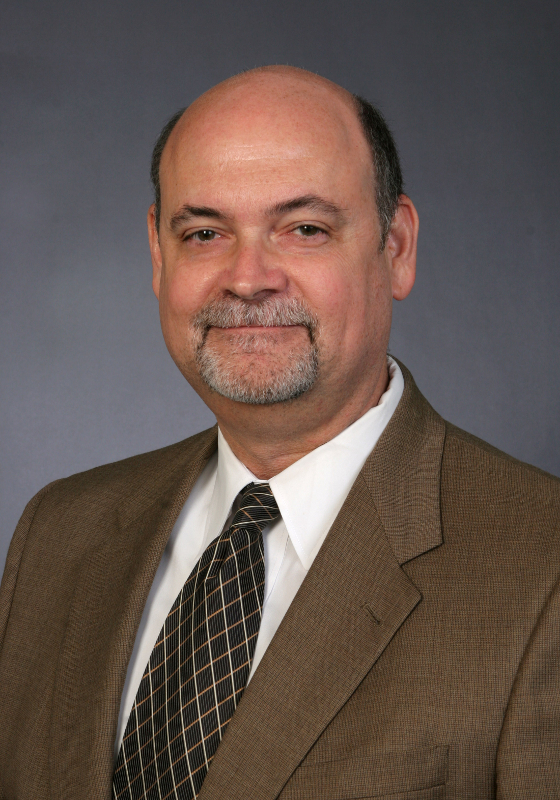 Fred Savelsbergh: Regardless of the election last night — and I’ll use an old south Texas line — the horse is out of the barn. Healthcare was changing regardless. What last night did do, at least, is that it confirmed it will continue. Obviously, there are still a lot of regulations to be written, and some revisions [of the PPACA] may come as we go forward. But the law is here with provisions still to come.
In terms of chronic care disease management, a focus on wellness, a focus on population — those are very important and have not changed. You can look at charts at the Organization for Economic Cooperation and Development — on the Y axis on one of its charts, you have per capita spending on healthcare. On the X axis, you have the age of the population. Pretty much from ages zero to 55, even though it trends up in slope, there are seven economically developed countries in a pretty close band. At age 55, the United States per capita spend almost goes straight up, where the rest continue with a small slope upwards. What that tells me is there is an issue here, especially when you think about how every day, 10,000 people turn age 65.
We all understand what we have to deal with in terms of the healthcare industry and its effect on the economy, and new care models have to be put in place for aging patients. The election is directional in that [reform] will continue in the same direction that it has in last four years, but I don’t think it was definitive in terms of something that would be a game changer at this point in time. I think it’s very important that Americans step forward and press the issue in the future, too.
More Articles on the 2012 Election and Healthcare:
The 2012 Election: Hospital and Healthcare Leaders React
Exit Polls Reveal Nearly 50/50 Split Among Voters on Healthcare Reform Law
Barack Obama Stays in the Oval Office, Affordable Care Act Stays the Course
