
As we move into 2026, anesthesia and radiology contract negotiations have reached an inflection point. What were once predictable renewal cycles have now evolved into high-stakes, system-level strategic decisions. Provider supply and demand imbalances, service line disruption, reimbursement pressure, and escalating financial support requirements are converging — forcing hospitals and health systems to rethink how they structure, value, and partner with anesthesia and radiology groups.
From our vantage point advising hospitals, health systems, and physician groups nationwide, the message is clear: traditional negotiation playbooks are no longer sufficient.
Framing the Issues: A Structural Imbalance, not a Temporary Disruption
The core challenges facing anesthesia and radiology are structural, not cyclical.
Workforce shortages continue to strain coverage models, particularly in anesthesia, while radiology faces subspecialty access challenges, overnight coverage pressures, and growing expectations for turnaround times and service depth. At the same time, professional fee reimbursement remains stagnant or declining, while operating costs — staffing, malpractice, IT, compliance and recruitment — continue to rise.
The result is dramatically escalating hospital financial support, often without a clear understanding of what is being subsidized, what value is being delivered, or how sustainability will be achieved over the life of the contract. Many negotiations stall because the parties are debating dollars rather than aligning service expectations, performance metrics, and long-term strategy.
What We’re Seeing on the Front Lines
In 2025 and early 2026, we are seeing some of the most challenging negotiations in decades.
Contracts are going “off the rails” as legacy relationships collide with new economic realities. In some markets, hospitals are facing bidding wars for anesthesia and radiology coverage, often driven by private equity-backed platforms or national providers with aggressive growth mandates. In others, hospitals are reluctantly considering RFPs or direct employment models after negotiations fail to produce alignment.
We are also seeing fractured internal alignment within health systems — finance, operations, service line leadership, and medical staff often approach negotiations with different priorities and incomplete data. This lack of coordination creates delays, erodes trust, and increases the likelihood of reactive, short-term decisions that carry long-term risk.
Strategic Options: Moving From Cost Center to Competitive Advantage
Forward-thinking organizations are reframing anesthesia and radiology services not as line-item expenses, but as strategic assets in their local and regional markets.
Leading systems are investing in competitive, transparent financial packages that support recruitment and retention while tying subsidies to clearly defined coverage, productivity, and quality expectations. They are using data — not anecdotes — to drive efficiency, staffing models, and service redesign.
Regular, structured engagement with group leadership has become essential. Quarterly operating reviews, joint planning sessions, and shared dashboards help align expectations and identify issues before they become contract disputes. Actionable dashboards that integrate clinical volume, staffing, financial support, turnaround times, and quality metrics are increasingly central to successful partnerships.
Most importantly, organizations that succeed recognize that alignment cannot be negotiated once every three to five years — it must be actively managed throughout the contract term.
The Role of Expert Support and Why it Matters
In today’s environment, small details can have outsized consequences. Coverage definitions, call requirements, escalation clauses, productivity assumptions, subsidy methodologies, incentive structures, and exit provisions all materially affect risk and cost. Misaligned assumptions routinely translate into millions of dollars in unplanned expense or operational disruption.
As 2026 continues to unfold, anesthesia and radiology contracts demand strategic leadership, credible data, and specialized expertise. Organizations that act reactively will continue to face escalating costs and operational instability. Those that invest in alignment, transparency, and informed decision-making can transform these critical service lines into sustainable competitive advantages.
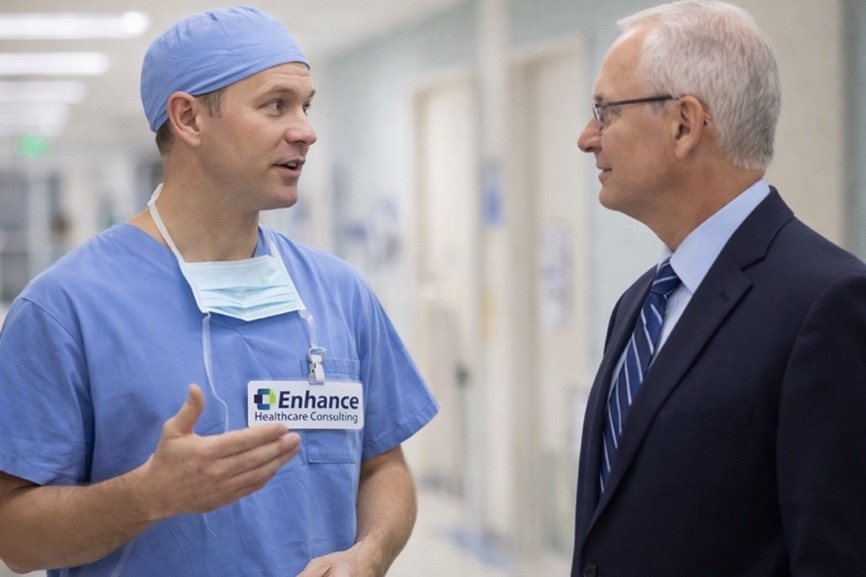
Enhance Healthcare Consulting partners with organizations nationwide to support anesthesia and radiology contract strategy, negotiations, and performance alignment. If your organization is facing an active renewal, escalating financial support requirements, or consideration of an RFP or employment model, now is the time to engage.
The stakes have never been higher — but with the right strategy, they can also be transformative.
