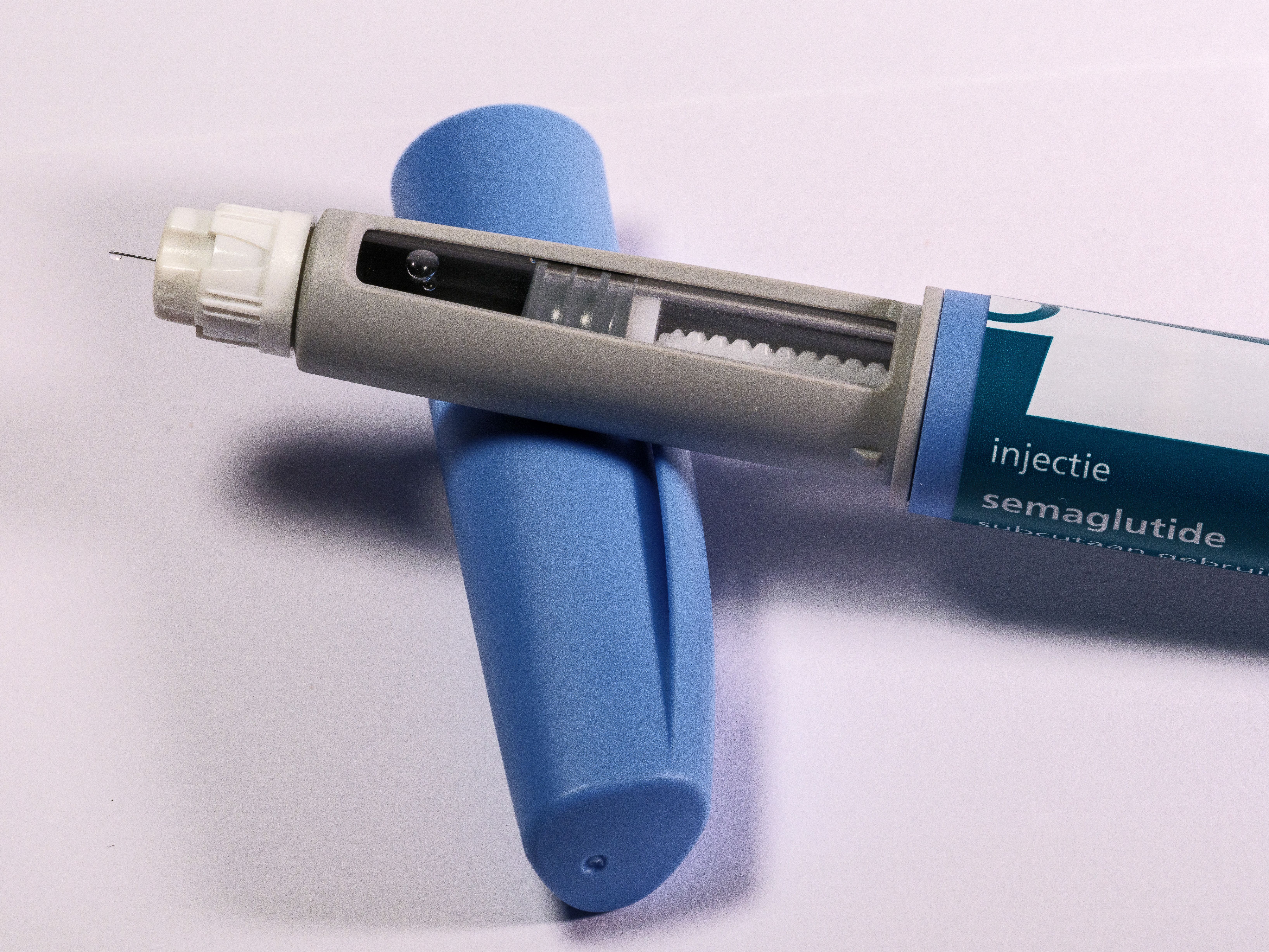
The American Medical Association is urging HHS to rescind its policy allowing pharmacies to compound certain unapproved peptides, saying the “rushed” decision could expose patients to unsafe and unproven substances.
The policy covers six peptides, BPC-157, KPV, TB-500, MOTS-c, Semax and Epitalon, none of which has FDA approval. The AMA said making them more widely available could expose patients to products with unknown identity, purity, potency, dosing and safety, according to a Nov. 18 release and a letter to the department. The group noted the FDA previously excluded these substances from the 503A bulks list and that none is currently under review in an active investigational new drug application.
“We should not bypass the science and put patients at risk by making them guinea pigs for unapproved drugs,” said AMA President Willie Underwood III, MD. “If these substances are safe and effective, the evidence should demonstrate that through the FDA’s rigorous review process.” The AMA urged HHS to require the substances to go through the full FDA review, including well-designed clinical trials, before marketing or clinical use. “Just because a pharmacy can compound these peptides does not mean that consumers can or should trust the safety of such compounded substances,” the letter said.
The AMA said unproven peptides may pose risks including allergic reactions, infections and hormonal imbalances, citing the FDA’s website, and that finalizing the policy would effectively endorse injectable substances without assurance of their safety or quality.
The letter follows AMA delegates’ adoption of a policy at the group’s interim meeting calling on HHS to rescind directives that ease peptide restrictions. HHS said Oct. 28 that it doesn’t intend to take enforcement action against pharmacies that compound the six peptides if they meet a set of conditions, including reporting adverse events. ECRI and ISMP had warned against the FDA advisory panel’s vote to relax restrictions on the peptides, and patients who say they were harmed have said their accounts are being drowned out.